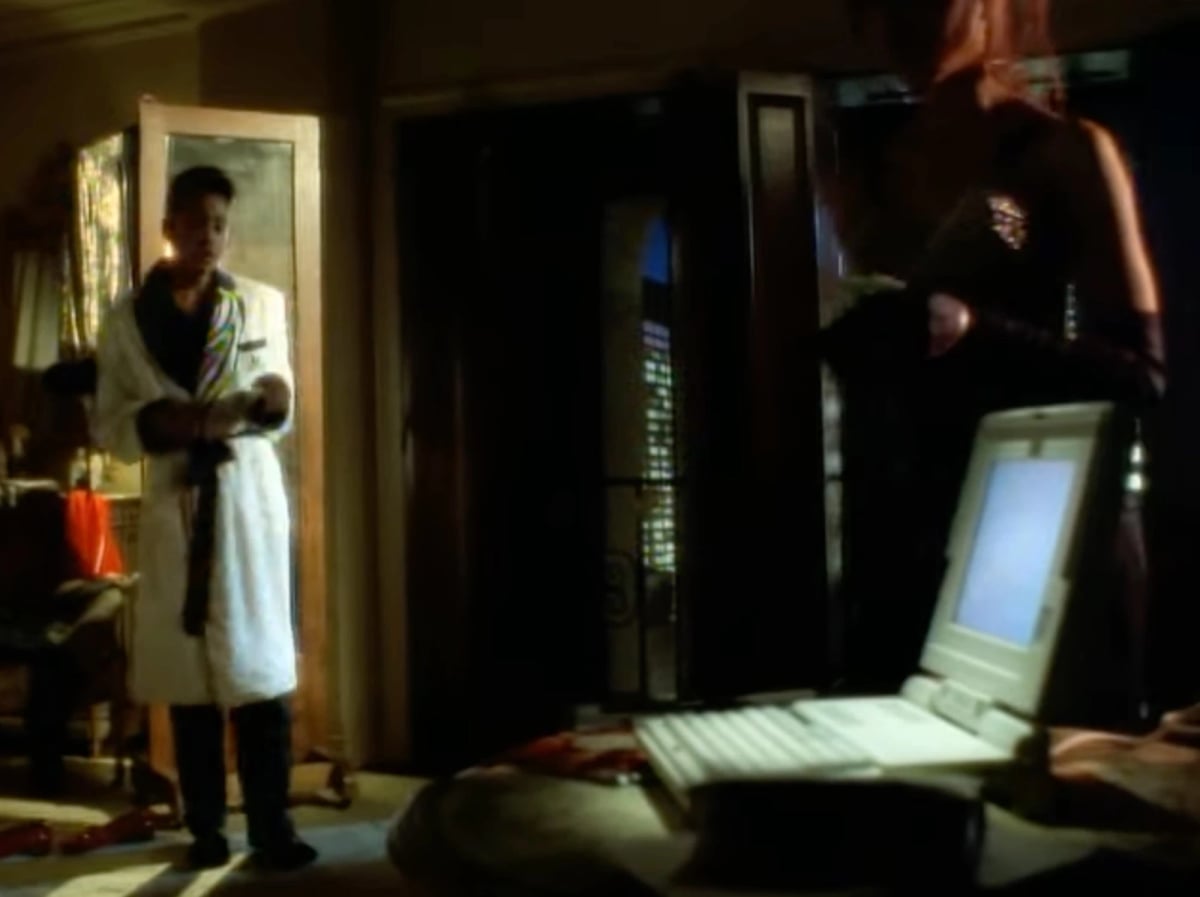
Alt Text: A screenshot from the song Jerk Out (1990) by The Time. A night scene in a dark room with skyscrapers out the window. Morris Day has told a beautiful woman he wants to sleep alone and asked her to leave her number by his “data bank,” which appears to be in the Compaq Presario line, and is the best-lit thing in the room. She is unhappy with this situation and about to leave. The eye cannot look away from the laptop. It is a sad situation but the laptop looks wonderful.
Category Archives ⇒ alleviivattua
Michelle Zauner
I think of it as an archive and it really helps me creatively to think that way, because sometimes when I get really self-conscious or down on myself for what I’ve made—when I feel like it could have been better—I try to remind myself, “This is just who you are in this moment. You did your best and you committed a certain amount of time to this, and that’s what creative work is.” Like when I wrote my book, after five years of working very diligently, I was so disappointed with the results. I imagined it being this really exceptional thing, and I had landed five steps below where I wanted to be as a writer. Ultimately, I always try to remind myself, “This is just your archive. This is the best you can do at 26. This is the best you can do at 30.”
Muusikko/kirjailija/ohjaaja Michelle Zauner taiteen tekemisestä viime keväänä Interview Magazinessa.
Viivi Prokofjev
Kun hän puhuu painokoneista, paperilaaduista tai folioista, sävy ei ole nostalginen vaan käytännöllinen: tämä toimii, tämä ei, tämä kestää aikaa ja tämä ei kestä edes seuraavaan päivään. Ehkä juuri siksi häntä ärsyttää ajatus siitä, että visuaalinen kulttuuri typistetään ruudulla viliseviksi neliöiksi, jotka ovat hetken näkyviä ja seuraavassa hetkessä poissa, ilman että kukaan ehtii oikeastaan edes huomata.
Työpäivän jälkeen Prokofjev tarttuu mieluummin lehteen kuin puhelimeen. Kutimetkin kelpaavat. Näyttöä katsotaan silloin, kun on pakko. Muuten elämä saa olla konkreettista ja käsissä tuntuvaa, sellaista jossa materiaalilla on paino ja ajalla merkitys. Digitaalinen media voittaa nopeudessa ja päivitettävyydessä, mutta se häviää siinä, mikä Viiville on olennaista: kyvyssä pysäyttää ja vaatia huomiota. Printti ei ole hänelle yksi kanava muiden joukossa, vaan vastalause sille, että kaiken pitäisi olla kevyttä, nopeaa ja heti korvattavissa uudella.
Jos kaikki kirjat näyttävät samalta, niin palveleeko se ketään?
Ilkka Mattila kirjoittaa palkitusta graafisesta suunnittelijasta Viivi Prokofjevistä Print&Media-lehdessä. Artikkeli nettisivuilla on vain tilaajille, mutta sen saa luettua P&M-lehden RSS-syötteen kautta. Ja ehkä kirjastosta tai työpaikalta.
02/03
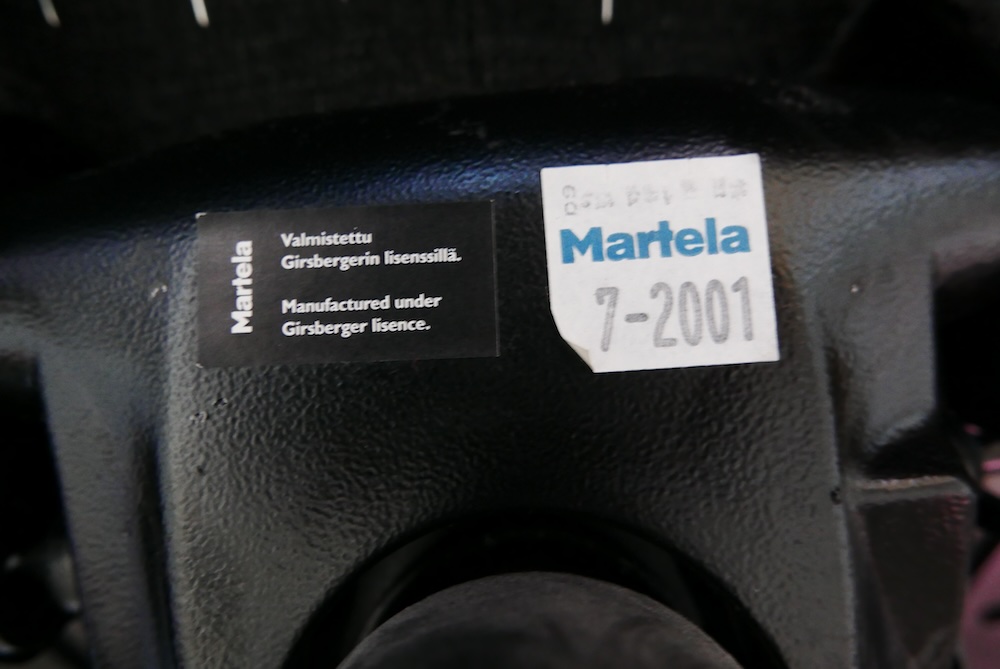
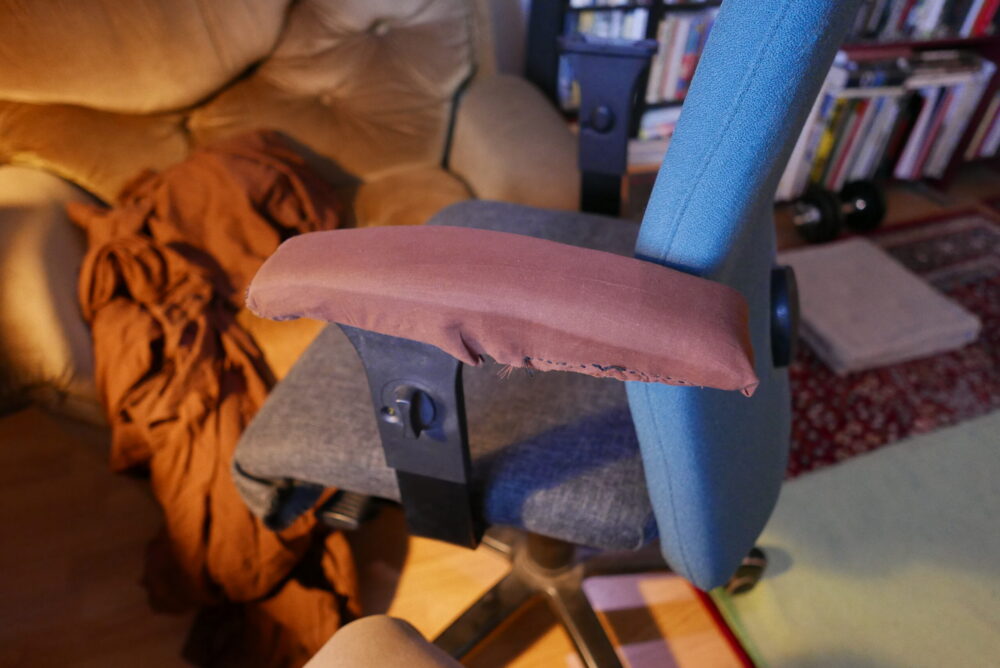 Omistan Martelan työtuolin, joka on itse asiassa Martela-Girsberger, kuva vasemmalla tuolin alta. Kuvat saa klikattua isommaksi. Sain tuolin vuoden 2010 paikkeilla, todellakin sain ilmaiseksi kun satuin olemaan sosiaalisen median ääressä oikeaan aikaan: jokin tutkija teki muuttoa toimistotalosta ihan naapuristani, ja antoi ilmaiseksi kalusteitaan, joten kävin hakemassa tuolin ja rullaamassa sen noin sadan metrin matkan kotiini, edelliseen asuntooni. Kuka tahansa tietää, että hyvät työtuolit ovat kalliita. Olen verhoillut tuolin istuinosan, mutta kun muoviset käsinojat alkoivat murtua etureunasta, en yrityksistäni huolimatta löytänyt niihin tepsivää liimaa. Kipuilin käsinojien kanssa, joita piti varoa että ne eivät hajonneet lisää, parin vuoden ajan, ennen kuin tajusin että ihan kotihoodeillani on Martelan Outlet, jossa myydään käytettyjä Martelan kalusteita. Lähetin heille sähköpostia, ja kun siihen ei vastattu pariin viikkoon, kävin poikkeamassa liikkeessä.
Yksinäinen myyntineuvottelija ei löytänyt sähköpostiani eikä tunnistanut tuolin mallia netin kuvien perusteella, eikä siksi osannut sanoa, löytyisikö siihen uudet käsinojat, mutta meinasi kysyä keskusvarastolta, rehennellen että siellä on vaikka kuinka kaikenlaista ikivanhaa, siellä kyllä tietävät. Ei ollut, tuolini on niin vanha että siihen ei löydy varaosia. Ja TIETENKÄÄN tuolien käsinojien kiinnitysmekanismit eivät ole millään tavalla yhteneväisiä eri mallien välillä, vaikka siihen onkin vähän vaikea uskoa.
Olin kuitenkin säilyttänyt käsinojista irronneet muovinpalat, joten taannoin, kun olin viikon ilman nettiä, tartuin tähänkin ikuisuusprojektiini, ja verhoilin käsinojat uudelleen: irroitettuani käsinojien muoviosat itse tuolista niittasin irronneet palat takaisin paikalleen parhaani mukaan, leikkasin säilyttämästäni pakkausmateriaalista sopivat liuskat muovin päälle, ja kiedoin koko paketin kaksinkertaiseen vanhaan lakanakankaaseen, jonka kiristin ja ompelin käsin. Kuvassa ensimmäinen, toisesta tuli yhtä rujon näköinen läheltä katsottuna. Ostan jostain jotain mukavaa paksumpaa kangasta, jolla verhoilen nämä vielä kerran tähän päälle. Ikivanha lakana tuskin kestää käytössä kovin kauaa.
* * *
Draaman perimmäinen tehtävä, (kuten satujen), on tarjota ratkaisu ongelmaan, jota ei voi käsitellä järjellä. Ollakseen toimivaa draaman pitää saada meidät pidättäytymään rationaalisesta arvioinnista ja seuraamaan kappaleen sisäistä logiikkaa, niin, että mielihyvämme (parannuskeinomme) muodostuu tarinan lopussa odottavasta vapautuksesta.
David Mamet, Ravintoloissa kirjoittelua, s. 28, Terra Cognita, 2004.
Art is a form of negotiation between our ideas of the world and the world.
Karl Ove Knausgård The New Yorkerin haastattelussa marraskuun 11. 2018.
Jotkut ihmiset syntyivat internet sisuksissaan ja kärsivät siitä kovasti. Thom Yorke oli yksi heistä, hän ajatteli, ja käpertyi tuoliinsa katsomaan dokumenttielokuvaa Meeting People Is Easy. Kuvaus oli katujen, kallistuvien pullonkaulojen ja tuntemattomien ihmisten kiihtyvää suttua, väki hajaantui kuin valonsäteet lentokenttien prismoissa ja harottavat hiukset painuivat taksien sivuikkunoita vasten. Ihmisloukuilta näyttävia auloja, mainoksia taiteen tilalla, sokaisevia vesiteitä ja rumpali rikinkeltaisessa valonloimussa. Satoi, satoi kaikkea. Ääniraita tihkui haastattelukysymysten fuugan lomasta, samat kysymykset toistuivat toistumistaan: ranteiden auki viiltämiseen sopivaa taustamusiikkia? Jokainen kuva totesi että lävitsemme kulkevat virtapiirit ulottuivat kaikkialle ja tuottivat tuskaa. Sitten kuitenkin tapahtui jotakin.
Thom Yorke piteli mikrofonia ojossa yleisön laulaessa ”Creepin” kertosäetta puhvelimaisesti mylvien jättämättä välistä sanaakaan. Yorke kohautti olkapäitään. Ranteen nytkähdys viestitti: Katsokaa nyt näitä idiootteja. Ehkä myös: Olen itsekin idiootti. Sitten Yorke hymyili, toinen poski kohosi omenaksi sumun keskellä, ja aito hymy yritti näyttää tekohymyltä. Yorke alkoi laulaa laulua loppuun, ensin puolittain kieli poskessa, mutta pian hänen äänensä mursi katkeruuden kahleet ja laulu muuttui aidoksi, se avartui muhkeaksi ja kauhistuttavaksi kun tiikerililja, Yorke muovasi sen uuteen uskoon, se oli taas hänen. Se jyräsi jopa miehet, jotka huusivat hänen nimeään, puolittain häiriköivät häntä, yrittivät vohkia hänet häneltä itseltään: Thom, Thom, Thom. Yorken paksu nahka oli tiessään, hän oli täysin turvassa, hän oli stadionin kokoinen ja yhtä yksin kuin aikoinaan huomatessaan, että hänen sisällään soi. Yorke seisoi paikoillaan ja puristi mikrofonia kuin satuttavaa muistoa, jäykät rakenteet olivat kaikonneet hänen sisikunnastaan ja hän oli pelkkä poika yllään ainoa sihen aikaan markkinoilla ollut paita.
”En ole koskaan aikaisemmin tuntenut sillä tavalla”, Yorke sanoi myöhemmin haastattelussa kasvot jälleen tuskasta rusottaen, muisteli kuinka oli katsonut tuhansia nimettömiä ihmisiä, jotka kohottelivat tupakansytyttimien liekkejä mäen päällä. ”Se ei ollut inhimillinen tunne.”
Patricia Lockwood, Kukaan ei puhu tästä, s. 63–64, suom. Einari Aaltonen, Tammi Keltainen Kirjasto, 2022.
Katkelmassa mainittu dokumenttielokuva on katsottavissa ilmaiseksi Radioheadin kotisivuilla, ja kohtaus, josta puhutaan alkaa noin kymmenen minuutin kohdalta. Sain tämän elokuvan melko vasta DVD:nä ystävältäni, joka oli poiminut sen viime syksynä kuolleen yhteisen ystävämme jäämistöstä.
”The case for blogging in the ruins”
When you write a blog post, you’re creating a standalone document with a permanent URL. It exists at a specific address on the web, and that address doesn’t change based on who’s looking at it, when they’re looking at it, or what algorithm has decided they should see next. The post is there, stable, waiting for whoever wants to find it.
Compare this to a tweet (by God I’ll not call them ”X’s”) or a Facebook post, which exists primarily as an item in a feed, algorithmically sorted, personalized to each viewer. Your post might appear at the top of someone’s feed for an hour and then disappear into an infinite scroll of other content, never to be seen again. The platform has no interest in whether your post is found next week or next year; it has a vested interest in keeping users scrolling through new content right now.
[The blog is] a form that allows for intellectual exploration without demanding premature certainty. You can write a post working through an idea, acknowledge in the post itself that you’re not sure where you’ll end up, and invite readers to think alongside you. You can return to the topic weeks later with updated thoughts. The format accommodates the actual texture of thinking, which is messy and recursive and full of wrong turns.
Social media flattens all of this into statements: Everything you post is implicitly a declaration. Even if you add caveats, the format strips them away. What travels is the hot take, the dunked-on screenshot, the increasingly-shitty meme, the version of your argument that fits in a shareable image with the source cropped out.
Virginia Woolf wrote about the importance of having a room of one’s own: physical space for creative work, free from interruption and control. A blog is a room of your own on the internet. It’s a place where you decide what to write about and how to write about it, where you’re not subject to the algorithmic whims of platforms that profit from your engagement regardless of whether that engagement makes you or anyone else nebulously smarter.
Näin se on.
Lauren Graham, Don Roos and Kitchen Timer
I could have easily spent months and years staring at blank documents and staying up all night as I trial-and-errored my way through a few finished pages and many more images of vintage tile tables. But in the magical way that things just kept falling into place over the course of returning to the show, my question was answered on the very first try.
I had lunch with Don, and he explained his way of working to me, a method that’s been so effective he actually wrote it up to give to the many writers he mentors. It’s his variation on the Pomodoro technique, called Kitchen Timer, and it’s transformed the way I write–I now spend fewer hours being way more productive. It gave me structure where there was none. It has changed my life as a writer, and I hope it changes yours too. I love it so much that it makes me want to touch my fingertips together in that wonderful symbol we just invented in the last decade. (But seriously, what took us so long?)
HERE’S HOW IT WORKS:
1. Buy a kitchen timer, one that goes to 60 minutes. Or use a timer app. Or tell Siri to start a timer for 60 minutes.
2. We decide on Monday how many hours of writing we will do Tuesday. When in doubt or under pressure or self-attack, we choose fewer hours rather than more. A good, strong beginning is one hour a day, but a half hour is also good, or twenty minutes. Some of us make appointments in our calendar for these hours, as if they are lunch meetings or business calls.
3. The Kitchen Timer hour:
No phones. No texts. We silence ringers; we turn our phones facedown. It is our life; we are entitled to one hour without interruption, particularly from loved ones. We ask for their support. ”I was on an hour” is something they learn to understand. But they won’t respect it unless we do first.No music with words, unless it’s a language we don’t understand. Headphones with a white noise app can be helpful.
No Internet, absolutely. We turn off our computer’s Wi-Fi.
No reading.
No pencil sharpening, desk tidying, organizing.
4. Inmediately upon beginning the hour, we open two documents: our journal, and the project we are working on. If we don’t have a project we’re actively working on, we just open our journal.
5. An hour consists of TIME SPENT KEEPING OUR WRITING APPOINTMENT. That’s it. We don’t have to write at all, if we are happy to stare at the screen or the page. Nor do we have to write a single word on our current project; we may spend the entire hour writing in our journal. Anything we write in our journal is fine; ideas for future projects, complaints about loved ones, what we ate for dinner, even ”I hate writing” typed four hundred times.
When we wish or if we wish, we pop over to the current project document and write for as long as we like. When we get tired or want a break, we pop back to the journal.
The point is, when disgust or fatigue with the current project arises, we don’t take a break by getting up from our desk. We take a break by returning to the comforting arms of our journal, until that in turn bores us. Then we are ready to write on our project again, and so on. We use our boredom in this way.
IT IS ALWAYS OKAY TO WRITE EXCLUSIVELY IN OUR JOURNAL. In practice it may rarely happen that we spend the full hour in our journal, but it’s fine, good, and right if it does. It is just as good a writing day as one spent entirely in our current project.
6. It is infinitely better to write fewer hours every day than many hours one day and none the next. If we have a crowded weekend, we choose a half or quarter hour as our time, put in that time, and go on with our day. We are always trying to minimize our resistance, and beginning an hour on Monday after two days off is a challenge.
7. When the hour is up, we stop, even if we’re in the middle of a sentence. If we have scheduled another hour, we give ourselves a break before beginning again – to read, eat, go on errands. We are not trying to create a cocoon we must stay in between hours (the old ”I’m sorry, I can’t see anyone or leave my house – I’m on a deadline” method). Rather, inside the hour is the inviolate time.
8. If we fail to make our hours for the day, we have scheduled too many. Four hours a day is an enormous amount of time spent in this manner, for example. If on Wednesday we planned to write two hours and didn’t make it, we schedule a shorter appointment for the next day. We don’t add an hour to ”make up” or ”catch up.” We let the past go and move on.
9. When we have fulfilled our commitment, we make sure we credit ourselves for doing so. We have satisfied our obligation to ourselves, and the rest of the day is ours to do with as we wish.
10. A word about content: This may seem to be all about form, but the knowledge that we have satisfied our commitment to ourselves, the freedom from anxiety and resistance, the stilling of that hectoring voice inside us that used to yell at us that we weren’t writing enough – all this opens us up creatively.
Talking as Fast as I Can: From Gilmore Girls to Gilmore Girls (and Everything in Between), Lauren Graham, Ballantine Books, 2017.
I Hope This Email Never Finds You
I hope this email does not find you well.
I hope this email does not find you
And instead arrives to a desk overgrown with moss,
Lit quietly by a shard of light through your collapsed apartment ceiling
And that the silence that it finds there is simply deafening.I hope this email does not find you
And that it goes around the corner to your kitchen
Where your discarded dishes stand like lichened towers,
And that it will not find you staring into the refrigerator
Saying “There’s nothing to eat,” to the bread and eggs and strawberries – long gone.
I hope that you are nowhere to be found.I hope this email does not find you
Scouring the bathtub, dusting cobwebs out of cupboards.
I hope the ivy has taken over the couch
And surrounded all the cushions, blanketed the armrests.
I hope that birds are nesting in your wifi router
And that a family of squirrels has made a home in your utensil drawer.I hope this email does not find you
Because you are far away and doing something gorgeous,
And that you haven’t given me a second thought.
I hope this email never finds you.
I hope this email never catches up.
I Hope This Email Never Finds You, Anna Stacy, Apricity Magazine.
Arkistosta: ”There is a rush to normal in many of us that closes us off, not only to the depth of our own suffering but also, as a consequence, to the suffering of others.”
Kirjoitettu alun perin 6. elokuuta 2013
Trauma is not just the result of major disasters. It does not happen to only some people. An undercurrent of trauma runs through ordinary life, shot through as it is with the poignancy of impermanence.
Mark Epstein, The Trauma of Being Alive @ NYTimes.com
Kts. myös edellinen kirjoitus.
Arkistosta: Tell Me Again
Kirjoitettu alun perin 22. elokuuta 2015.
The Penguin Book Of Women Poets, toim. Carol Cosman, Joan Keefe & Kathleen Weaver, s. 265, Penguin Books 1978.

Tänne tullaan eksymällä

Arto Melleri libretosta Grand Hotel, 1983. Kokoelmasta Runot, toim. Martti Anhava, s. 291, Otava 2005.
Tämä on omistettu sinulle, Hyvä Ystäväni, näyttelijä, joka poistuit yllättäen tästä maailmasta – tältä näyttämöltä – eilen aamulla, 21. syyskuuta 2025. Malja elämälle, ja osanottoni muille läheisille.